
Brake Warning Signs You Should Never Drive Through
Squeals, soft pedals, vibration, and pulling to one side are the four brake symptoms that almost always get worse fast. Here is how to read them before they turn into a real problem.
Brakes rarely fail without warning. In most cases the car gives several signals that the system is wearing down, and catching those signals early is the difference between a routine pad replacement and a much larger repair. The trouble is that the early symptoms are easy to dismiss, especially when the car still feels like it stops normally.
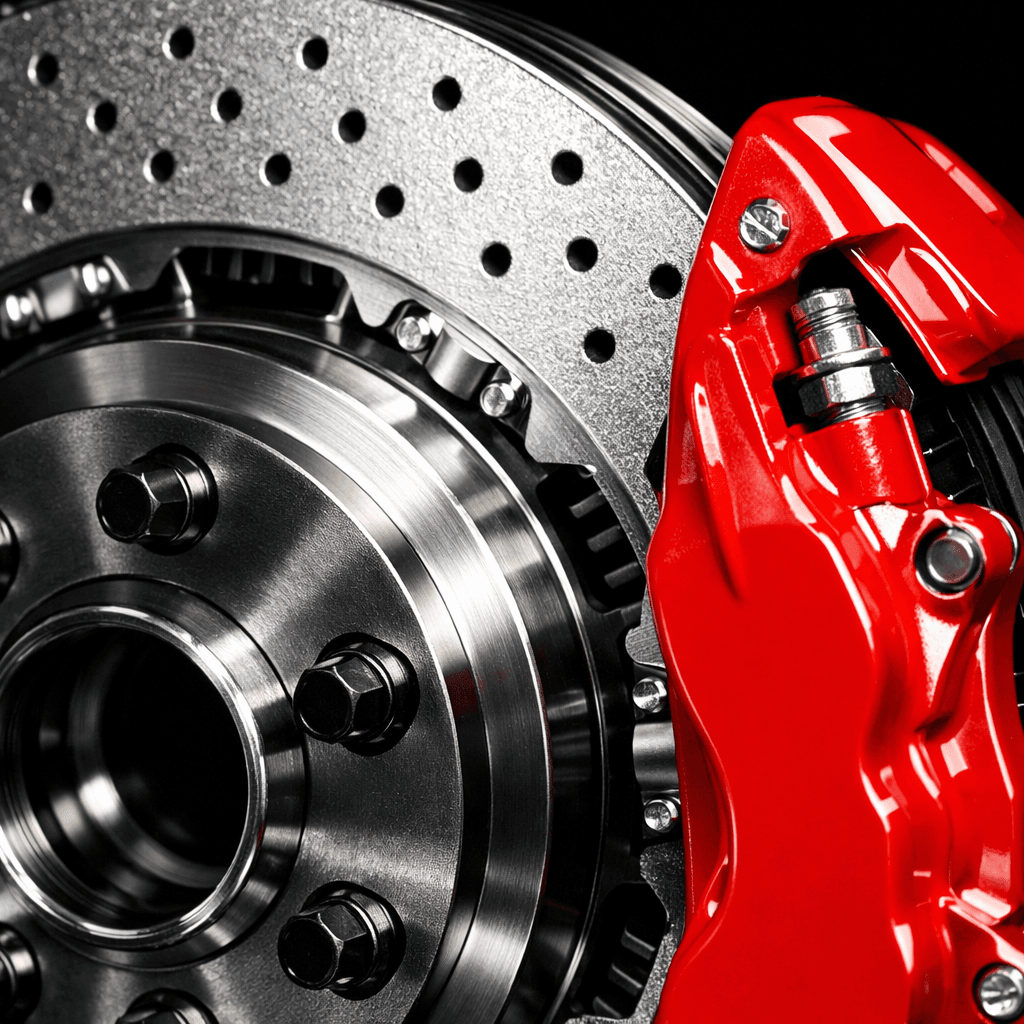
The most common warning is noise. A high-pitched squeal during light braking is usually the wear indicator built into the pad doing exactly what it is designed to do — telling you the friction material is getting thin. A deeper grinding sound is different and more urgent. That usually means the pad is worn through and metal is now contacting the rotor, which causes damage with every stop.
The second warning is feel. A brake pedal that sinks slowly, feels spongy, or needs more travel than it used to is often a sign of air or moisture in the brake fluid, a leaking line, or a worn master cylinder. None of those issues fix themselves, and all of them affect how quickly the car can actually stop in an emergency.
The third warning is vibration. If the steering wheel or brake pedal pulses when you slow down from highway speeds, the rotors are likely warped or unevenly worn. This is common on vehicles that do a lot of stop-and-go driving or tow heavy loads, and it gets worse the longer it is ignored because the uneven surface accelerates pad wear too.
The fourth warning is pulling. A car that drifts left or right when you brake usually has a caliper that is sticking, a hose that is collapsing internally, or uneven pad wear between the two sides. Pulling is easy to compensate for at low speed, which is why drivers often live with it longer than they should — but it becomes a real safety issue in a hard stop.
The honest rule for brake service is simple: if anything about how the car stops has changed, get it inspected. A short visit to identify which component is worn is far cheaper than waiting until the rotors, calipers, or hydraulic lines need replacement too. For drivers in La Mesa, staying ahead of brake wear is one of the most cost-effective maintenance habits you can build, and it keeps the car safe to drive every day without second-guessing the pedal.
Need diagnostics, maintenance, or a STAR smog check?
Fletcher Hills Automotive & Smog helps drivers in La Mesa stay compliant, reliable, and road-ready with honest service and quick turnaround.