
Fluid Flushes Explained: What Your Car Actually Needs
Coolant, brake, power steering, and differential fluid all wear out on their own schedules, and skipping them quietly leads to expensive failures. Here is what each fluid does, how often it needs service, and the warning signs to watch for.
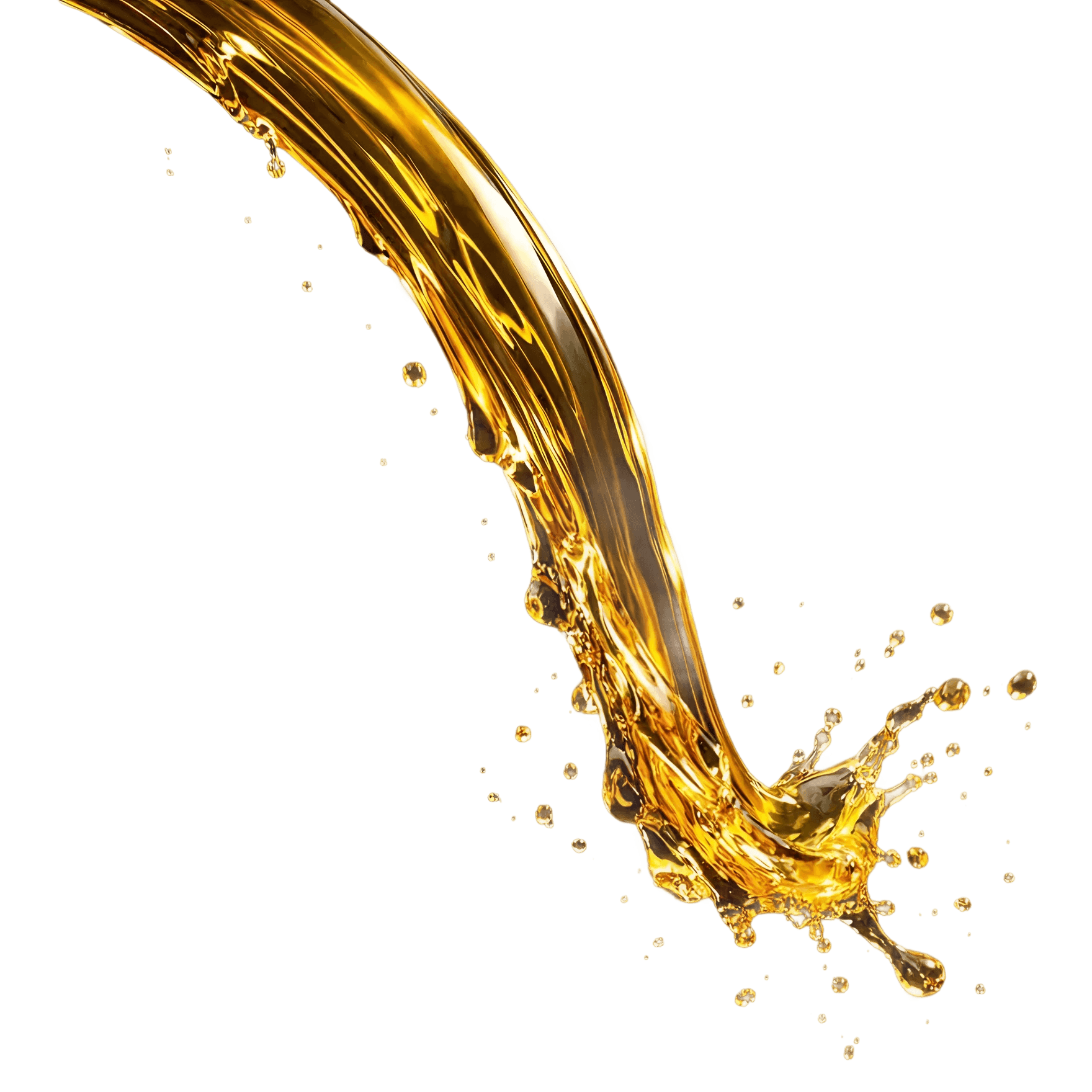
Most drivers know their car needs an oil change on a regular schedule, but the engine oil is only one of several fluids that keep a vehicle running safely. Coolant, brake fluid, power steering fluid, and differential fluid all do critical jobs, and all of them wear out over time. The catch is that these services are easy to forget because the symptoms of neglect show up slowly and quietly. By the time a problem is obvious, the repair is usually far larger than a routine flush would have been. Understanding what each fluid does and when it needs attention is one of the most cost-effective things an East County driver can learn.
Coolant, sometimes called antifreeze, does far more than its name suggests. It carries heat away from the engine, prevents freezing in cold conditions, and — most importantly in our climate — contains corrosion inhibitors that protect the metal surfaces inside the engine, radiator, and water pump. Those inhibitors wear out on a schedule, typically every five years or so depending on the type, and in the inland heat around La Mesa and El Cajon that chemistry tends to degrade toward the lower end of the range. Coolant that has gone acidic stops protecting the system and starts corroding it from the inside, which leads to water pump failure, radiator leaks, and a heater core clogged with debris. A coolant flush removes the old, depleted fluid and the contaminants it has collected, and refills with fresh fluid carrying a full additive package.
Brake fluid is the service drivers overlook the most, and it is arguably the most safety-critical of all. Brake fluid is hygroscopic, meaning it absorbs moisture from the air over time, even through sealed lines and reservoirs. That absorbed water lowers the fluid's boiling point, and during hard or repeated braking — coming down a grade with a loaded vehicle, for example — the fluid can boil and turn to vapor. Because vapor compresses and liquid does not, the result is a soft, sinking pedal exactly when you need the brakes most. Moisture also corrodes the expensive internal components of calipers, the master cylinder, and the ABS system. Most manufacturers recommend a brake fluid flush every two to three years regardless of mileage, and a simple test strip can confirm the moisture content.
Power steering fluid lives a hot, high-pressure life and breaks down accordingly. On vehicles with traditional hydraulic power steering, this fluid lubricates the pump and steering components while transmitting the hydraulic pressure that makes the wheel easy to turn. As it ages, it darkens, picks up tiny metal particles from normal wear, and loses its protective properties. Neglected fluid is a common cause of a whining or groaning noise when you turn the wheel, especially at low speed in a parking lot, and it can lead to a worn-out pump or rack that costs far more than a fluid service. Many newer cars use electric power steering and have no fluid to service at all, which is worth knowing so you are not sold a flush your car does not need.
Differential fluid — and on all-wheel-drive vehicles, transfer case fluid — is the one almost nobody thinks about until there is a problem. The differential is the gearset that lets the drive wheels turn at different speeds in a corner, and its gear oil takes a beating from constant high-pressure contact between the gear teeth. On trucks, SUVs, and any vehicle that tows a trailer or hauls loads on East County trips, that load is even higher and the fluid degrades faster. Worn differential fluid leads to a whirring or howling noise from the rear of the vehicle that rises and falls with speed, and ignoring it risks destroying gears that are expensive to replace. Service intervals vary widely, but heavier-use vehicles benefit from more frequent attention.
It is worth a brief note that the automatic transmission also relies on its own fluid, which deserves its own dedicated service and its own conversation — it is not interchangeable with the fluids above and follows its own interval. The point of grouping the others together is that they are the services most often forgotten precisely because they do not announce themselves. A car can drive perfectly well right up until the moment a neglected fluid causes a failure, and at that point the cost has multiplied. A good shop checks the condition of each of these fluids during routine visits rather than waiting for a complaint, because catching degraded fluid early is always cheaper than repairing what degraded fluid destroys.
At Fletcher Hills Automotive in La Mesa, fluid condition is part of a thorough maintenance review, and recommendations are based on what the fluid actually looks like and how the vehicle is used — not on a one-size-fits-all upsell. For drivers across La Mesa, El Cajon, and East County, staying ahead of these flushes is one of the highest-return habits in vehicle ownership, because each of these services is a small fraction of the cost of the failure it prevents. The hard part is simply doing it before anything feels wrong, which is exactly when it does the most good.
Need diagnostics, maintenance, or a STAR smog check?
Fletcher Hills Automotive & Smog helps drivers in La Mesa stay compliant, reliable, and road-ready with honest service and quick turnaround.